railing2026-03-23·8 min read
Balcony Glazing Comparison: Frameless, Framed, Sliding and Curtain Wall
Compare frameless, framed, sliding and curtain wall balcony glazing systems for residential and commercial applications.
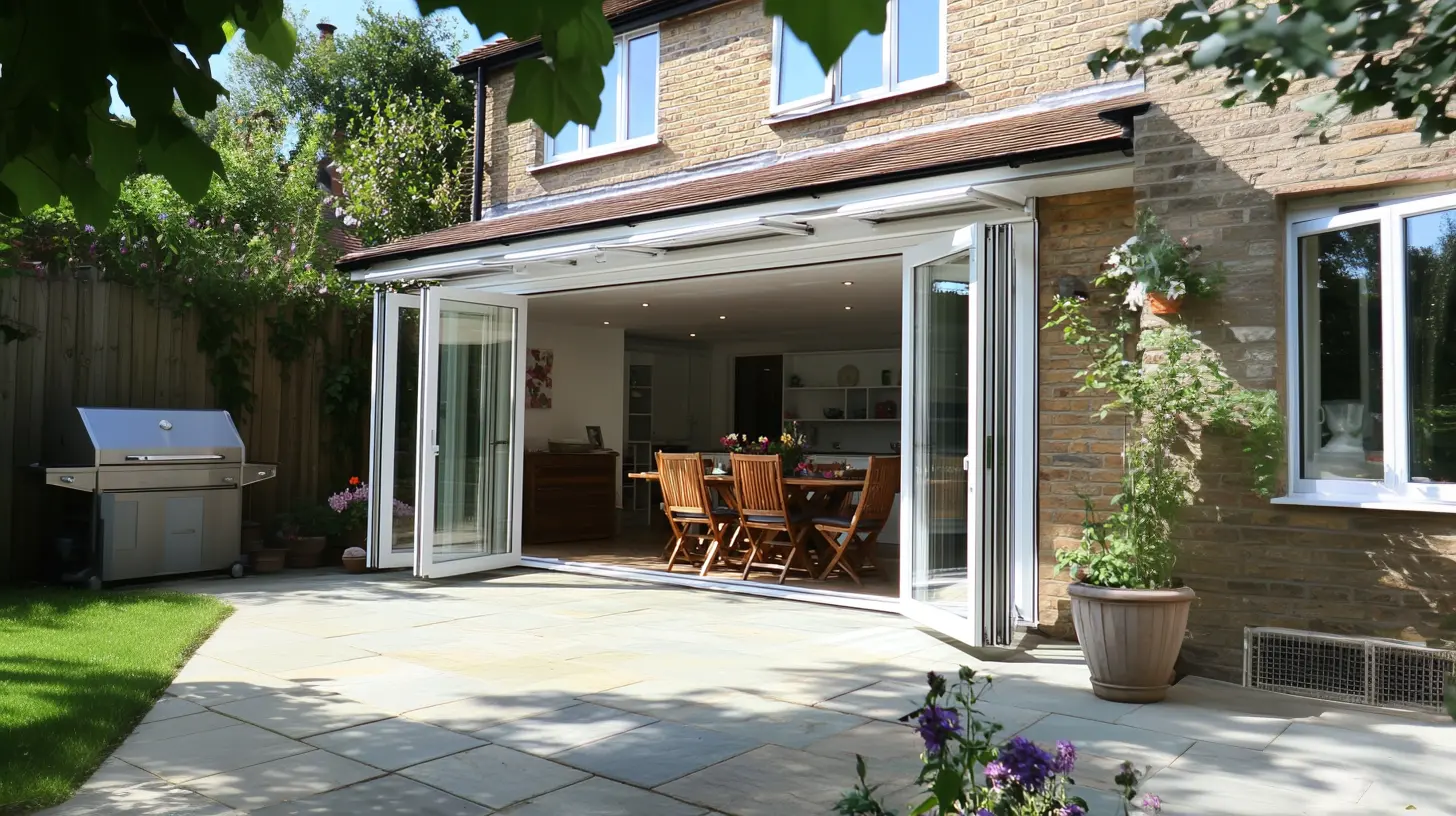
Frameless Glass Systems\n\nFrameless glass balcony systems use tempered or laminated safety glass panels with minimal visible fixings. Point-fixed or channel-mounted configurations provide unobstructed views with a contemporary aesthetic. Glass thickness ranges from 12mm to 21.5mm laminated depending on wind load and span requirements. Maximum panel heights reach 1.5 metres for balustrade applications. Alcodec Alcodec frameless systems feature concealed base channels with drainage integration.\n\n## Aluminium-Framed Glazing\n\nFramed systems use thermally broken aluminium profiles to support glass panels. This approach provides better thermal insulation values (Uw 1.0-1.4 W/m2K) compared to frameless alternatives. The frame also allows integration of ventilation panels, blinds, and insect screens within the system. Standard frame depths of 50-70mm accommodate double or triple glazing units.\n\n## Sliding Glass Panels\n\nSliding glass balcony panels offer ventilation control while maintaining weather protection. Panels stack to the side when fully open, creating a near-complete opening. Top-hung systems prevent dirt accumulation in floor tracks. Panels can incorporate integrated blinds or solar control coatings for enhanced comfort. Wind resistance ratings typically reach 80-100 km/h in the closed position.\n\n## Specification Considerations\n\nGlass specification must comply with EN 12150 (tempered) or EN 14449 (laminated) safety standards. For balcony applications above 5 metres, laminated glass with PVB or SGP interlayer is required for post-breakage retention. Acoustic requirements may dictate asymmetric laminated configurations achieving Rw 35-42dB. Solar control options include body-tinted glass, low-E coatings, and printed ceramic frit patterns.
Explore our products or get in touch.