Brise Soleil Guide: How to Reduce Solar Heat Gain on High-Rise Facades
Learn what brise soleil systems are, how they reduce solar heat gain, support facade ventilation, and contribute to LEED and BREEAM certification.
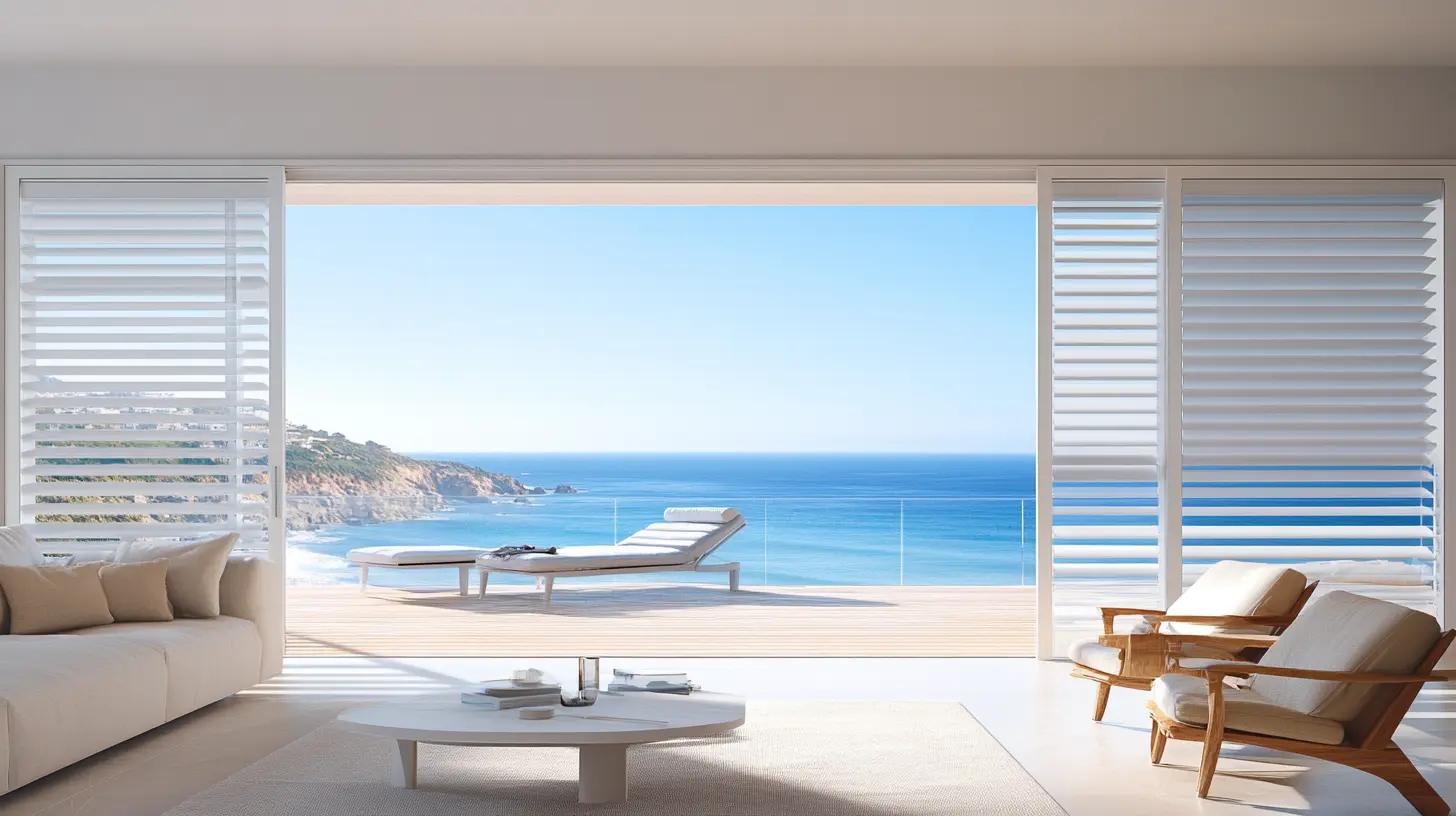
A brise soleil (literally "sun breaker" in French) is a fixed or adjustable system of aluminium louvres, screens, or fins attached to a building's facade to control solar radiation and reduce unwanted heat gain. This guide explains how they work and when to specify them.
What is a Brise Soleil?
A brise soleil is an architectural element — either fixed (permanently angled) or movable (adjustable via motorisation or manual control) — that intercepts direct sunlight before it reaches windows or building surfaces.
The most common designs are: - Fixed angled louvres: Aluminium fins at a permanent angle (typically 30–60°) that block high summer sun while allowing lower winter sun through. - Sliding brise soleil: Motorised horizontal or vertical panels that adjust to sun position throughout the day. - Folding brise soleil: Articulated panels that fold in/out to adapt to changing sun angles seasonally. - Perforated metal screens: Solid-looking facades that allow views and ventilation while blocking direct radiation.
Why Solar Heat Gain Matters
In commercial and residential buildings, uncontrolled solar radiation accounts for 20–40% of cooling loads in summer. Even with high-performance triple-glazed windows, heat transfer through glass remains significant.
A well-designed brise soleil can reduce solar radiation reaching a facade by 60–85%, translating to: - Lower cooling costs: 15–25% reduction in summer air-conditioning load. - Better interior comfort: Reduced glare and thermal inconsistency at work stations. - Extended HVAC lifespan: Smaller peak loads mean less strain on cooling equipment.
How Brise Soleil Systems Work
Solar Angle Blocking: The louvre or screen angle is calculated based on the building's latitude and orientation. In northern Europe (50–55°N), south-facing facades need steeper angles (40–50°) to block summer sun without blocking winter sun entirely.
Facade Ventilation: Unlike solid facades, brise soleil systems allow air circulation behind the louvres. Hot air trapped between the outer louvres and the glass is vented away, preventing heat build-up. This "ventilated facade" principle is critical to DIN 18516 compliance.
Light and Privacy: Perforated or semi-opaque louvres diffuse daylight into the building while preventing external viewing. Occupants see soft, glare-free light; outsiders see a uniform facade.
Structural Integration: Brise soleil are typically mounted on the structural frame, independent of the window system. This allows easy retrofit to existing buildings.
Standard Types
Fixed Louvres - **Pros:** No moving parts, maintenance-free, lowest cost. - **Cons:** Cannot adapt to seasonal sun angle changes; may block too much winter sun or too little summer sun if poorly designed. - **Best for:** South-facing facades in stable latitudes where one angle works year-round.
Sliding Horizontal Brise Soleil - **Pros:** Motorised adjustment allows seasonal and daily optimization. Aesthetic appeal — clean lines when retracted. - **Cons:** Mechanical complexity, higher cost (€500–€1,500 per m²), motor maintenance. - **Best for:** High-rise office buildings where occupant comfort and energy savings justify the cost.
Folding Brise Soleil - **Pros:** Space-efficient — folds flush against the facade when not needed. Adjustable to multiple angles. - **Cons:** Mechanical linkages prone to jamming in harsh climates; requires regular maintenance. - **Best for:** Secondary facades or shaded areas where part-time shading is adequate.
Technical Standards
DIN 18516 (Ventilated Facades): This German standard defines how ventilated facade systems must perform structurally and thermally. Brise soleil must: - Resist wind loads per EN 1991-1-4 (Eurocode 1). - Provide adequate drainage and ventilation (minimum 2cm gap between louvre and facade). - Support thermal movement without transferring stress to the window frame.
LEED / BREEAM Credits: - EAc2 (Energy Performance): Brise soleil contribute to reduced cooling loads, earning 1–3 points. - IEQc8 (Daylight & Views): Brise soleil that maintain view-out and diffuse daylight earn points.
Design Considerations
Orientation: - South-facing: Needs steep louvre angles (40–60°) to block summer sun; allow winter sun through. - East/West-facing: More challenging — low sun angles in early morning/late afternoon. Often requires vertical fins in addition to horizontal louvres. - North-facing: Rarely needs brise soleil unless the building's latitude or local context creates significant reflection.
Material Durability: - Extruded aluminium: Most common. Lightweight, corrosion-resistant with QUALICOAT Class 2 coating (15+ years durability). - Stainless steel: For coastal environments. Higher cost, superior durability. - Wood with protective finish: Traditional aesthetic; requires 2–3 year refinishing cycle.
Maintenance Access: - Fixed louvres: Access for occasional cleaning (water + soft brush). - Motorised systems: Require annual motor inspection and lubrication. Control electronics need protection from moisture.
Energy Performance (Fc Value)
The Fc value (solar factor) of a brise soleil ranges from 0.10–0.50 depending on louvre density and angle: - Fc 0.10–0.20: Dense louvres, minimal solar transmission — suitable for south-facing facades in warm climates. - Fc 0.30–0.40: Moderate density — balances solar control with daylighting. - Fc 0.40–0.50: Sparse louvres — maximum daylighting, less solar control.
Architects often pair brise soleil with high-performance glass (U-value 0.15 W/m²K or lower) to achieve overall facade Fc values of 0.25–0.35.
Cost and ROI
Fixed louvres: €300–€800 per m² (one-time cost). Motorised sliding systems: €600–€1,500 per m². Folding systems: €400–€1,200 per m².
For a 500 m² south-facing facade: - Fixed louvres: €150,000–€400,000 capex. Annual maintenance: ~€1,000. Energy savings: 15–20% of annual cooling cost (~€8,000–€12,000 for a typical office building). - ROI: 12–20 years in warm climates.
Conclusion
Brise soleil systems are one of the most effective ways to reduce solar heat gain on commercial and high-rise residential facades. By combining structural durability, low maintenance, and significant energy savings, they justify their upfront cost across most European markets.
Explore our products or get in touch.