facade2026-03-23·8 min lectura

Commercial Facade Shading: Louvres, Screens and Brise-Soleil Systems

Complete guide to external shading systems for commercial buildings including louvre systems, textile screens and brise-soleil elements.
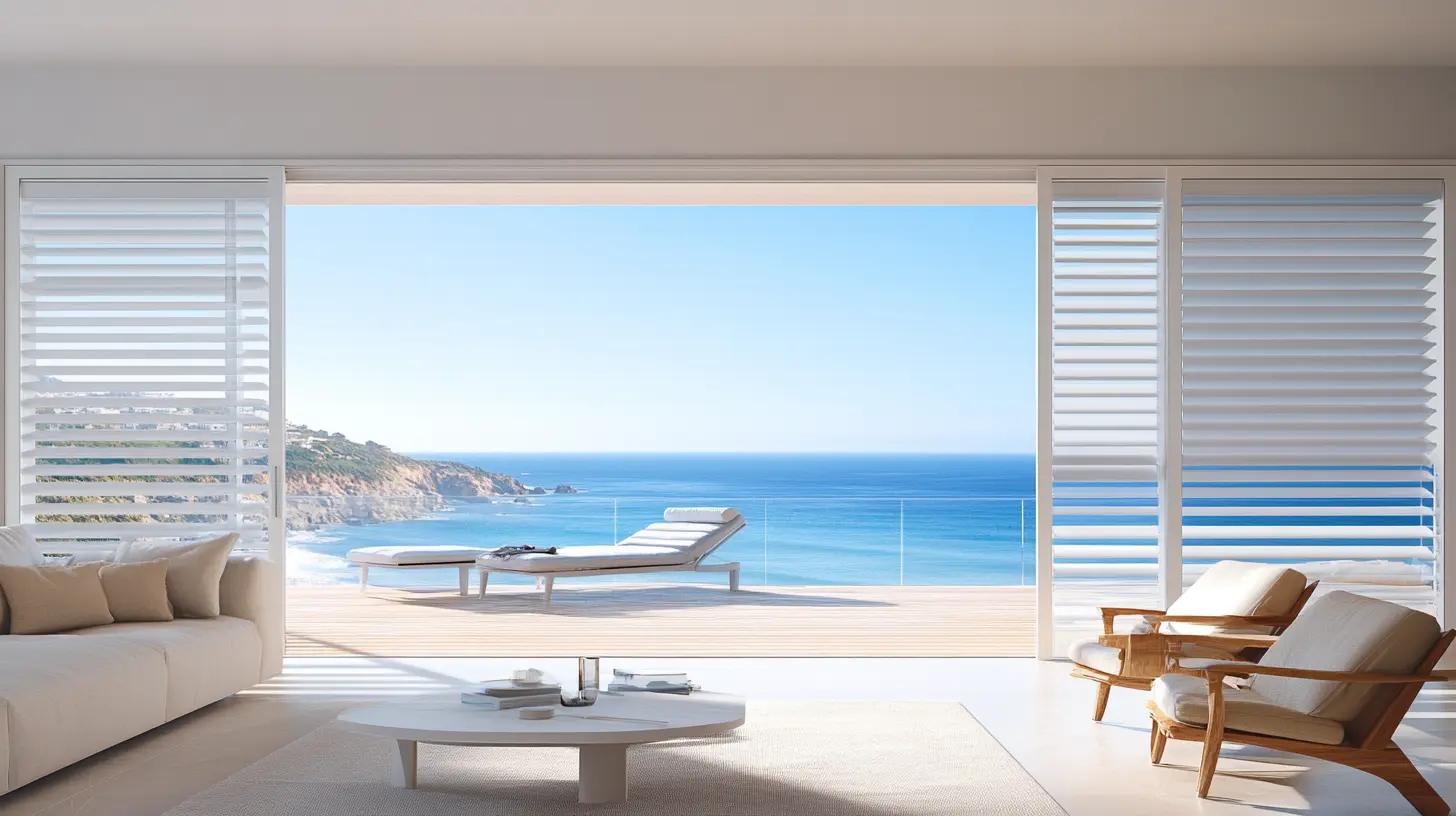
Commercial Facade Shading: Louvres, Screens and Brise-Soleil Systems

External Louvre Systems\n\nExternal louvre systems provide adjustable solar control for commercial facades. Aluminium louvres with 0-135 degree tilt angles allow precise management of solar heat gain and daylighting. Fixed louvres offer a maintenance-free solution with predetermined blade angles optimised for building orientation. Motorised systems connected to BMS (Building Management Systems) automatically respond to sun position and weather conditions, reducing cooling loads by 25-40% compared to unshaded facades. Alcodec Alcodec louvres are engineered for commercial applications with wind resistance up to 130 km/h.\n\n## Textile Screen Solutions\n\nLarge-format textile screens provide effective solar protection for office buildings. ZIP-guided systems maintain fabric tension in winds up to 100 km/h, making them suitable for high-rise applications. Screen fabrics are available in openness factors from 1% to 14%, allowing designers to balance solar control with outward visibility. Motor-driven systems integrate with building automation via KNX, Modbus or BACnet protocols.\n\n## Brise-Soleil Design\n\nBrise-soleil elements combine architectural expression with solar function. Horizontal blades are most effective on south-facing facades, while vertical fins perform better on east and west orientations. Modern brise-soleil systems use aerodynamic blade profiles to minimise wind load while maintaining shading effectiveness. Typical blade depths range from 150mm to 600mm depending on facade orientation and latitude.\n\n## Energy Performance\n\nExternal shading reduces solar heat gain coefficient (SHGC) by 60-80% compared to unshaded glazing. This translates to significant reductions in cooling energy consumption and improved thermal comfort for building occupants. Dynamic shading systems that respond to real-time conditions achieve the best balance between energy savings and daylight utilisation.

Explore nuestros productos o contáctenos.

Artículos relacionados

facade

Zip Screen Guide: Wind-Resistant Exterior Blinds for Every Facade

facade

Brise Soleil Guide: How to Reduce Solar Heat Gain on High-Rise Facades

facade

Energy Performance of External Shading: How to Reduce Cooling Loads 30-40%