WPC vs Aluminium Fence: Which is Right for Your Property?
A comprehensive comparison of WPC and aluminium fencing systems — durability, maintenance, aesthetics, cost, and performance in different climates. Find the perfect solution for your garden or commercial property.
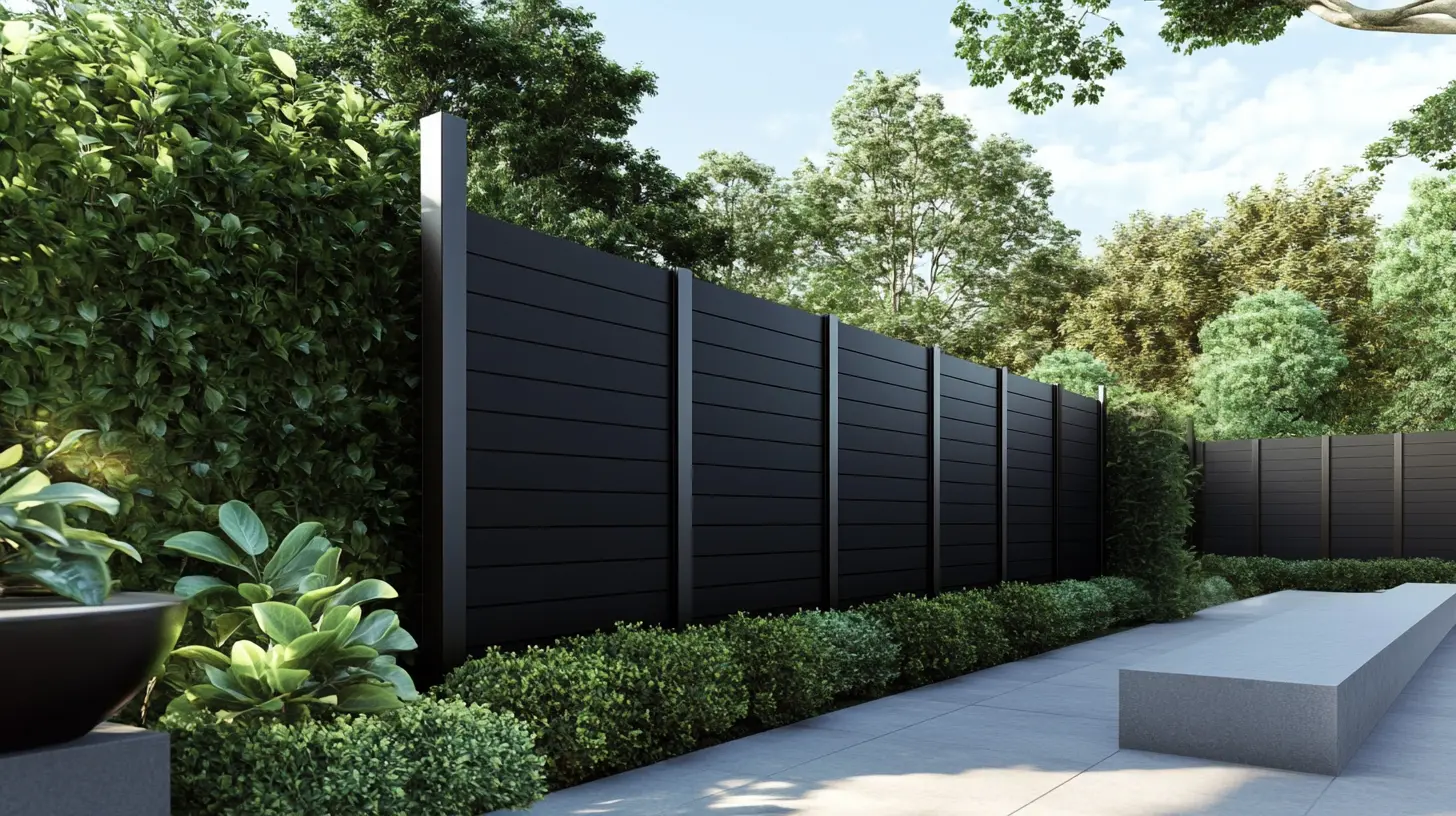
When choosing a fence for your property, the material matters. The two most popular modern options are Wood-Plastic Composite (WPC) and aluminium — both offering significant advantages over traditional wood fencing. But which one is right for you? This guide compares WPC and aluminium fencing across durability, maintenance, design options, cost, and environmental resistance, helping you make an informed decision for your home or commercial project. ## What is WPC Fencing? WPC (Wood-Plastic Composite) combines wood fibres or wood flour with plastic polymers to create fence panels that look like natural wood but perform like modern engineering. The result is a material that captures the warmth and aesthetic appeal of timber while eliminating the maintenance burden. Alcodec's Alcodec Fence WPC (VF-WPC) uses premium WPC panels mounted within an aluminium frame, combining the natural wood grain appearance of composite with the structural reliability of aluminium support. The panels feature authentic wood textures and rich colour options, giving your property a high-end, timeless look. WPC panels are typically available in warm earth tones — teak, oak, walnut, and grey — providing flexibility to match different architectural styles. ## What is Aluminium Fencing? Aluminium fencing is manufactured from lightweight yet rigid aluminium profiles, offering clean lines, modern aesthetics, and uncompromising durability. Unlike iron or steel, aluminium is naturally corrosion-resistant, requiring no rust treatment or ongoing maintenance. Alcodec's Alcodec Aluminium Fence System (VF-ALU) delivers professional-grade aluminium fencing with multiple infill options — vertical slats, horizontal boards, glass panels, or mesh inserts — allowing you to customize the appearance while maintaining the structural benefits of an aluminium frame. Aluminium fencing suits contemporary and minimalist designs, offering slim profiles that don't dominate the visual landscape. ## Durability & Lifespan WPC Fencing: Modern WPC materials are engineered to last 25+ years in residential settings, provided the panels are properly installed with adequate drainage and ventilation. The plastic component resists rot and insect damage, while the wood fibre provides structural strength and natural appearance. Aluminium Fencing: With proper finishing (powder coating), aluminium fencing typically lasts 30+ years, with many installations remaining structurally sound for 40+ years. The metal is naturally resistant to corrosion and does not degrade from UV exposure, moisture, or biological attack. Verdict: Both materials offer comparable lifespans in European climates. Aluminium has a slight edge in harsh coastal or industrial environments where salt spray or aggressive chemicals are present. ## Maintenance Requirements This is where WPC and aluminium diverge significantly. WPC Fencing: Marketed as "zero-maintenance," WPC panels resist rot, termites, and splintering. However, they do require periodic cleaning — typically once or twice yearly with a soft brush and mild detergent to prevent algae growth or staining in damp climates. Some pigmentation can fade over time in intense UV environments. Total maintenance effort: minimal but non-zero. Aluminium Fencing: Truly maintenance-free. A rinse with water once yearly is sufficient to remove dust and salt deposit. The powder-coat finish is specifically designed to resist fading, chalking, and colour loss. Aluminium does not require sealing, staining, or protective treatments. Verdict: Aluminium wins for genuine zero-maintenance performance. WPC is low-maintenance but requires occasional attention. ## Aesthetics & Design Options WPC Fencing: Excels at delivering authentic wood aesthetics. With realistic grain patterns and warm colour tones, WPC panels work beautifully in traditional, cottage, or residential garden settings. The timber appearance creates a softer visual impact compared to metal systems. Alcodec WPC offers curated wood-look finishes that age gracefully, developing a subtle patina that many homeowners find attractive. It integrates seamlessly into planted landscapes and naturalistic settings. Aluminium Fencing: Modern and architectural. Aluminium's slim profiles and clean lines suit contemporary homes, commercial properties, and minimalist landscapes. With multiple infill options — glass, slatted, horizontal boards, or mesh — aluminium allows significant customization within a modern design language. Alcodec Aluminium Fence comes in several colour options including anthracite, white, and bronze, with special powder-coat finishes available for premium projects. Verdict: Choose WPC for traditional/natural aesthetics; choose aluminium for contemporary/architectural aesthetics. Neither is objectively superior — it depends on your property's style. ## Cost & Value WPC Fencing: Premium composite panels typically range from €15–30 per linear metre, depending on panel height, thickness, and finish quality. Installation costs are moderate because WPC panels are lightweight and do not require specialised equipment. Aluminium Fencing: Full aluminium systems (frame + infill + fixings) typically range from €25–40 per linear metre, reflecting the structural engineering required and material costs. Long-term value: Although aluminium carries a higher upfront cost, the elimination of maintenance (no cleaning chemicals, no repairs, no replacements) and superior longevity make it more economical over 30+ years. WPC offers better initial affordability and retains value in aesthetic-focused projects where the natural wood appearance justifies the slight maintenance burden. Verdict: WPC for budget-conscious buyers; aluminium for total-cost-of-ownership optimisation. ## Weather & Environmental Resistance WPC Fencing: Performs well in temperate European climates. However: - Prolonged exposure to moisture (consistently damp conditions, poor drainage) can accelerate degradation - Extended freezing cycles (freeze-thaw) can cause microcracks in dense WPC formulations - UV exposure causes gradual colour fade, though modern stabilisers have largely mitigated this Best suited to: standard residential gardens with normal drainage and seasonal weather variation. Aluminium Fencing: Superior in challenging environments: - Salt spray (coastal properties) — aluminium's corrosion resistance is unmatched - Humid tropical climates — no rot, no rust, unaffected by moisture - Industrial zones — resistant to chemical exposure - Freeze-thaw cycles — aluminium's rigidity prevents cracking Best suited to: coastal properties, harsh weather zones, and commercial installations. Verdict: Aluminium excels in extreme conditions; WPC is adequate for typical residential gardens. ## Which One Should You Choose? Choose WPC Fencing if you: - Prioritise natural wood aesthetics and warmth - Have a traditional or country-style property - Want lower upfront costs - Have a standard residential garden with normal drainage - Don't mind occasional cleaning for maintenance - Value the visual softness of a timber-look fence Choose Aluminium Fencing if you: - Prefer modern, clean-lined designs - Want genuinely zero-maintenance performance - Live in a coastal, humid, or harsh climate - Require maximum longevity and durability - Value precision engineering and professional appearance - Have a contemporary home or commercial property - Calculate total cost of ownership (including maintenance avoidance) ## Complete System Solutions Alcodec offers both materials as complete fencing solutions. The Alcodec Fence Systems with Gates (VF-G) range includes matching gates with integrated locks and automated opening options, available in both WPC and aluminium constructions. This ensures your entire perimeter — fence and gates — works as a cohesive, functional system. ## Conclusion WPC and aluminium represent the modern evolution beyond timber and steel fencing. WPC delivers authentic wood aesthetics with low maintenance, whilst aluminium offers zero-maintenance durability with architectural precision. The right choice depends on your aesthetic priorities, climate conditions, and long-term maintenance tolerance. Both systems are engineered for 25–30+ year lifespans and will serve residential and commercial properties with reliability and style. Specify the material that aligns with your property's design language and your climate — and enjoy a fence that genuinely performs.